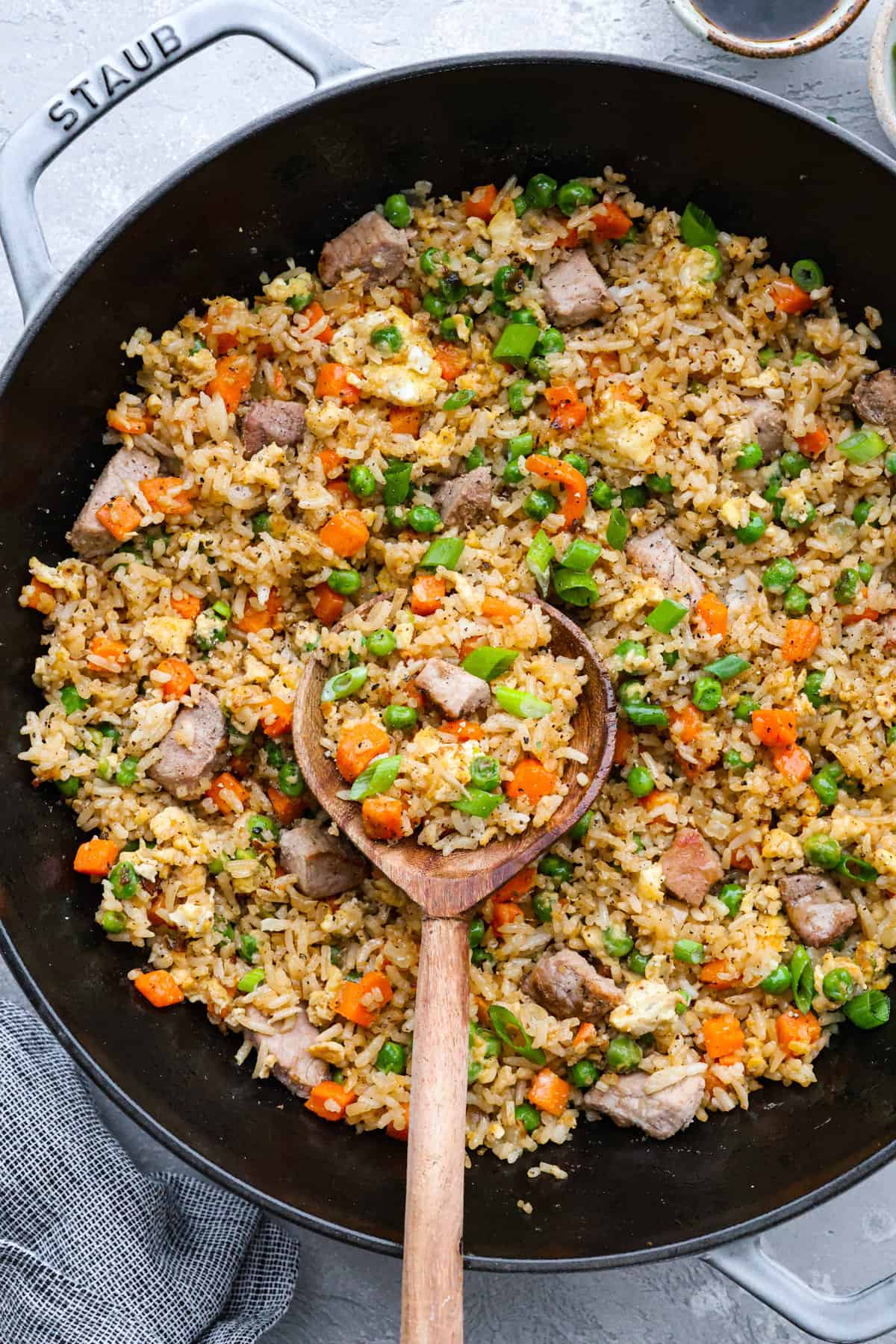
Tired of the same old dinner routine and craving that comforting taste of your favorite takeout, without the wait or the mystery ingredients? Look no further! Mastering homemade pork fried rice is not only surprisingly simple but also incredibly satisfying. Whether you're a seasoned chef with a blazing wok or a home cook armed with a trusty skillet, this guide will unlock the secrets to a quick, delicious, and perfectly textured weeknight meal that will have your family begging for more. Best of all, it's the ideal canvas for transforming those forgotten leftovers into culinary gold!
Why Homemade Pork Fried Rice Reigns Supreme
There’s a certain magic to a sizzling plate of pork fried rice, but the homemade version offers undeniable advantages over its takeout counterpart. While the American-Chinese takeout staple holds a special place in our hearts, making it at home gives you complete control over every ingredient, ensuring a fresher, more vibrant, and often healthier dish tailored precisely to your preferences.
Beyond the Takeout Carton: Freshness and Control
One of the biggest perks of crafting your own fried rice is the ability to choose high-quality, fresh ingredients. You dictate the cut of pork, the freshness of your vegetables, and the quality of your sauces. This means no artificial flavors, excessive sodium, or unknown oils, leading to a meal that tastes cleaner and more wholesome. You can also adjust seasonings to your palate – more Sriracha for a fiery kick, less soy for a lighter touch, or an extra drizzle of sesame oil for an aromatic boost.
The Cost-Effective & Customizable Weeknight Warrior
Let's be honest, takeout can add up quickly. Crafting pork fried rice at home is not only a fraction of the cost but also an ingenious way to utilize ingredients already lurking in your fridge. That leftover rice from last night? Perfect! The forgotten frozen peas and carrots? Absolutely! This dish is a true celebration of resourcefulness, making it an economical and sustainable choice for any budget-conscious household. Plus, its versatility means you can swap out vegetables or even add different proteins to suit dietary needs or simply to clear out your produce drawer.
Mastering the Fundamentals: The Secrets to Perfect Texture and Flavor
Achieving that signature fried rice texture and a symphony of flavors isn't as daunting as it seems. It boils down to a few key techniques that elevate your dish from good to absolutely unforgettable.
The Rice Revelation: Cool is Key!
The number one secret to non-mushy, perfectly textured pork fried rice lies in your rice preparation. Hot, freshly cooked rice is full of moisture and will steam rather than fry, resulting in a sticky, clumpy mess. The trick? Use cold, day-old rice. Jasmine rice is the preferred choice for its aromatic quality and ideal texture, but any long-grain white rice works well. Once cooked, spread it out on a baking sheet to cool quickly and thoroughly. This process, known as retrogradation, dries out the grains and firms them up, allowing them to crisp beautifully when they hit the hot pan. For best results, cook your rice a day ahead and refrigerate it for at least 8 hours.
Building Flavor Layers: From Marinade to Sauce Symphony
Flavor in fried rice isn't just dumped in; it's meticulously built in layers. It starts with the protein:
- The Pork: Opt for tender pork loin, thinly sliced or cubed. A quick marinade of sesame oil and green onion infuses it with flavor, setting the stage. Alternatively, drawing inspiration from Cantonese-style BBQ pork, a hint of honey in the marinade can add a delightful sweetness and smoky depth. Searing the marinated pork in a blazing hot wok or skillet is crucial. This high heat promotes the Maillard reaction, creating a beautiful caramelized crust and locking in savory juices. This "flavor crust" is essential for a rich, umami-packed bite.
- The Sauce: The magic happens when the liquid gold hits the pan. A robust sauce blend is non-negotiable. Combine high-quality soy sauce for salinity and umami, oyster sauce for a complex, savory depth (often referred to as the secret ingredient), a touch of honey to balance the savory notes with a hint of sweetness, and Sriracha for an optional, lively kick. A good quality toasted sesame oil adds an unparalleled nutty aroma and richness right at the end.
The Art of Separate Searing: Integrity First
One common mistake home cooks make is overcrowding the pan and cooking all ingredients together. To maintain the integrity, vibrant colors, and distinct textures of each component, cook them separately:
- Pork First: Sear the marinated pork until beautifully browned and cooked through, then set aside.
- Eggs Next: Scramble a couple of eggs quickly in the hot pan until just set, then remove.
- Aromatic Foundation: Sauté minced garlic and diced onions until fragrant.
- Vegetable Power: Add your peas and carrots (and any other desired vegetables like bell peppers or mushrooms). Cook until tender-crisp.
This method prevents the ingredients from steaming and becoming soggy. Each component gets its moment in the high heat, ensuring optimal flavor and texture before everything comes together. When it's time to combine, don't just stir. Learn the art of tossing the food in the skillet; it's more efficient for even cooking and distribution of flavors.
Wok or Skillet? Cooking Your Pork Fried Rice Your Way
The eternal question: do you need a wok for authentic fried rice? While a wok is undeniably fantastic, a good skillet can achieve equally stellar results with the right technique.
Embracing the Wok's Legacy
Traditionally, fried rice is made in a wok. Its unique round bottom and high, sloped sides allow for incredible heat distribution, quick cooking, and easy tossing of ingredients. The intense heat allows for the development of "wok hei" – the elusive smoky, seared aroma that is the hallmark of expertly cooked stir-fries. If you have a wok, embrace its power! Heat it until it's smoking, add oil, and watch your ingredients transform.
Skillet Success: Achieving "Wok Hei" Without the Wok
No wok? No problem! A large, heavy-bottomed skillet (cast iron or stainless steel are excellent choices) will work beautifully. The key is surface area and heat. Use your largest skillet to ensure ingredients aren't crowded, which would lead to steaming instead of frying. Get your skillet screaming hot, add your oil, and cook in batches if necessary to maintain that high temperature. This mimics the intense heat of a wok, allowing you to achieve a delicious sear and that desirable crispy texture in your pork fried rice.
For a deeper dive into making perfect fried rice, check out Unlock Perfect Pork Fried Rice: Crispy Rice & Rich Flavors.
Leftovers Welcome: Smart Storage and Reheating Tips
One of the best things about homemade pork fried rice is how well it keeps, making it a fantastic meal prep option or a convenient lunch for the next day.
Extending the Life of Your Delicious Creation
Pork fried rice is best enjoyed immediately for optimal texture and flavor. However, leftovers can be stored safely in an airtight container in the refrigerator for up to 3 days. Ensure the rice is cooled completely before transferring it to the container to prevent condensation and sogginess.
Reheating for Revival: Skillet vs. Microwave
When it comes to reheating, choose your method wisely to preserve that desirable texture:
- Skillet (Recommended): For the best results, reheat your pork fried rice in a skillet over medium-high heat. Add a tiny splash of oil if needed. Stir and toss frequently until heated through and some of the rice grains begin to crisp up again. This method helps restore much of the original texture.
- Microwave: While convenient, reheating in the microwave can sometimes make the rice a bit mushy due to the steam created. If using a microwave, cover loosely with a damp paper towel and heat in short bursts, stirring in between, to minimize this effect.
Homemade pork fried rice is more than just a recipe; it's an opportunity to create a delicious, economical, and customizable meal that truly rivals your favorite takeout. By understanding the importance of cool rice, building distinct flavor layers, cooking ingredients separately, and utilizing high heat, you can achieve a dish that's rich in flavor and boasts that perfect, irresistible texture. So grab your wok or your trusty skillet, embrace those leftovers, and get ready to transform your weeknight dinners into an exciting culinary adventure!
