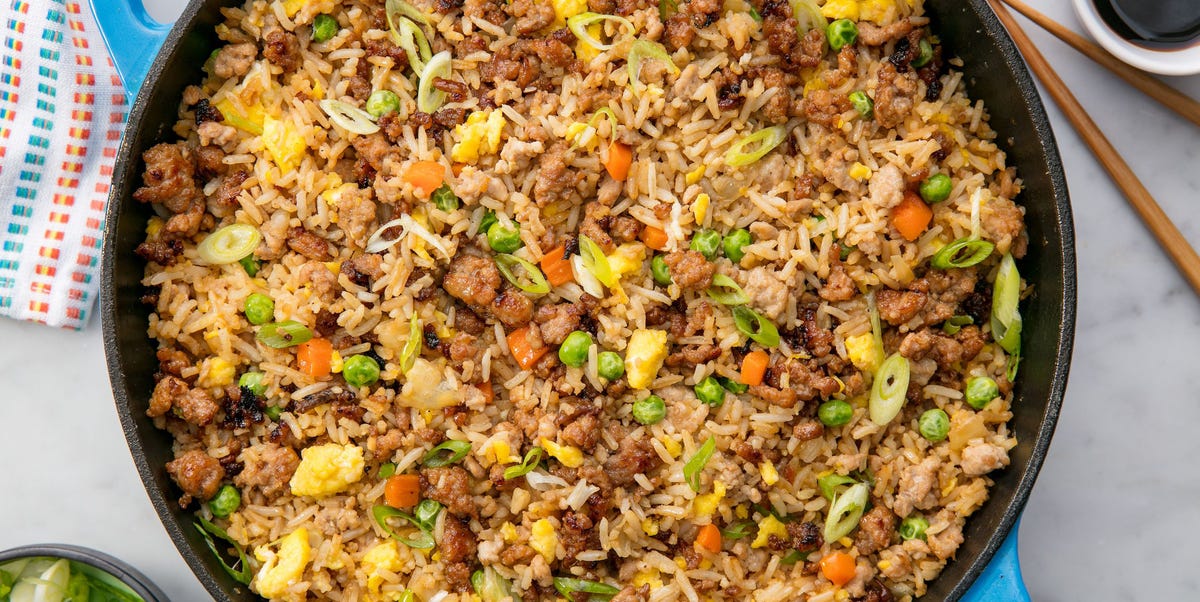
Unlock Perfect Pork Fried Rice: Crispy Rice & Rich Flavors at Home
Tired of the same old weeknight dinner routine? Craving that beloved takeout classic, but want to ensure it's made with fresh ingredients and bursting with authentic flavor? Look no further than homemade **pork fried rice**. This isn't just a meal; it's a culinary journey that transforms simple components into a symphony of textures and tastes, often exceeding your favorite restaurant version. Imagine perfectly seared pork, tender-crisp vegetables, and most importantly, fluffy, individual grains of rice kissed with savory sauces and a hint of smoky goodness. Get ready to learn the secrets to achieving restaurant-quality **pork fried rice** right in your own kitchen – a dish so satisfying, your family will be begging for seconds.
The Foundation: Achieving That Signature Fluffy, Crispy Rice
The quest for perfect **pork fried rice** begins and ends with the rice itself. One of the most common pitfalls of homemade fried rice is mushy, clumpy grains – a far cry from the light, airy texture we all crave. The secret? Cold, day-old rice. Freshly cooked, warm rice still retains too much moisture, and when introduced to a hot pan, it steams rather than fries, leading to an unpleasant gummy texture.
For the absolute best results, cook your jasmine rice (which offers a delightful fragrance and tender texture) according to package instructions, then spread it evenly on a large sheet pan. This crucial step, often overlooked, allows the rice to cool rapidly and quickly evaporate excess moisture. Once cooled, transfer it to an airtight container and refrigerate for at least 6-8 hours, or ideally, overnight. This chilling process dries out the exterior of the rice grains, ensuring they remain separate and firm, ready to achieve that delightful crispiness when they hit the hot wok or skillet. If you're short on time, cooling it on a sheet pan for even an hour before refrigerating can make a significant difference. Using leftover rice isn't just convenient; it's a fundamental technique for superior fried rice.
The Star Ingredient: Perfectly Cooked Pork
No **pork fried rice** is complete without its namesake star. While many recipes opt for basic cooked pork, elevating this component makes a world of difference. We recommend using thinly sliced pork loin or even Cantonese-style BBQ pork strips for their excellent flavor and texture. The key is to marinate the pork before cooking. A simple yet effective marinade can include a touch of sesame oil for nutty depth, finely minced green onion for aromatic freshness, and a dash of soy sauce. For an extra layer of complexity, a hint of honey in the marinade not only adds a subtle sweetness that balances the savory notes but also aids in achieving a beautiful caramelization when seared.
When it comes to cooking, high heat is your best friend. Sear the marinated pork in a blazing hot wok or large skillet. This intense heat promotes the Maillard reaction, creating a delicious browned crust on the pork and locking in its juices. Cooking the pork separately ensures it’s perfectly done without overcrowding the pan, which would lower the temperature and lead to steaming rather than searing. Once beautifully browned and cooked through, remove the pork from the pan and set it aside, allowing its flavorful juices to concentrate, ready to be reunited with the other ingredients later.
Building Layers of Irresistible Flavor
What truly distinguishes exceptional **pork fried rice** from a bland imitation is the depth and complexity of its flavor profile. This isn't achieved by dumping all ingredients into a pan at once, but rather by building layers through individual cooking and thoughtful seasoning.
The foundational flavor agents are critical. Invest in high-quality ingredients: a good brand of soy sauce for umami, rich oyster sauce for savory depth (a non-negotiable for many authentic recipes), and a distinct, fragrant sesame oil – remember, a little goes a long way. For balance, a touch of honey or sugar can counteract the saltiness and enhance overall taste, while a dash of Sriracha provides a customizable kick of heat, catering to all palates.
Beyond the sauces, the aromatics and vegetables play a vital role. Garlic and onions are the typical starting point, providing a fragrant base. Following these, eggs are often scrambled directly in the pan before being removed and chopped, or pushed to one side. Then, the vegetables. Common choices include frozen peas and carrots, which are convenient and cook quickly. However, don't limit yourself! Bell peppers, mushrooms, corn, or even leftover roasted vegetables can add unique textures and flavors. The secret, as with the pork, is to cook these ingredients separately or in stages. This method ensures each component retains its individual integrity – crisp-tender vegetables, fluffy egg bits, and perfectly seared aromatics – before everything is finally combined with the rice. This separate cooking prevents overcooking some ingredients while others remain raw, and it allows each to contribute its distinct character to the final dish.
Mastering the Technique: Wok vs. Skillet & Beyond
While a traditional wok is undeniably excellent for making fried rice due to its high heat retention and expansive surface area, don't despair if you don't own one. A large, heavy-bottomed skillet or cast-iron pan will work just as effectively. The critical factor is a large surface area, which allows the ingredients to spread out and cook quickly without steaming. Overcrowding the pan is the enemy of good fried rice; if you have a smaller pan, cook in batches.
High heat is paramount. You want to hear that sizzle when ingredients hit the pan. This intense heat is what quickly sears the ingredients, preventing them from stewing in their own juices and instead developing that characteristic "wok hei" – the smoky, complex flavor imparted by high-heat cooking. Instead of merely stirring with a spoon, learn to 'toss' the ingredients in the pan. This motion ensures even cooking, better distribution of sauces, and a more dynamic frying process. It might take a little practice, but it's a fun and efficient way to cook.
One of the beautiful aspects of **pork fried rice** is its versatility and practicality. It's truly a "game changer" for weeknight meals, especially since it's designed to use up leftover rice. This not only makes meal prep easier but also ensures that superior, crispy rice texture. While often associated with authentic Chinese cuisine, the takeout **pork fried rice** we often enjoy in the West is actually a delicious Chinese-American adaptation, meaning there's plenty of room for personal touches and easily accessible ingredients. For more tips on making this dish a regular in your rotation, check out our guide on
Master Homemade Pork Fried Rice: The Ultimate Weeknight Takeout Fix.
Troubleshooting & Advanced Tips
Even with the best intentions, things can go awry. If your rice feels a bit mushy, it likely had too much moisture to begin with or the pan wasn't hot enough. Next time, ensure your rice is truly cold and dry, and crank up the heat! If your pork is tough, you might have overcooked it or used a cut that benefits from longer, slower cooking rather than quick searing. Remember, thin slices cook quickly.
For those looking to diversify, feel free to mix and match vegetables. Bell peppers, snap peas, bamboo shoots, or water chestnuts can add delightful crunch and color. If you're exploring low-carb options, cauliflower rice can be an excellent substitute, offering a similar texture without the carbs. The beauty of this dish lies in its adaptability. You can also explore different proteins – chicken, shrimp, or even tofu for a vegetarian twist. Don't be afraid to experiment with your sauce ratios; some prefer more heat, others more sweetness. For more practical advice on preparing this dish with ease, whether you have a wok or just a skillet, and how to best utilize those leftovers, read our article:
Easy Pork Fried Rice: Wok or Skillet, Leftovers Welcome!
Conclusion
Transforming your favorite takeout **pork fried rice** into a homemade masterpiece is not only achievable but immensely rewarding. By understanding the critical role of cold rice, mastering the art of searing pork, and building flavors layer by layer, you can create a dish that’s fresh, flavorful, and perfectly textured. This isn't just about cooking; it's about unlocking culinary confidence and bringing truly delicious, restaurant-quality meals to your family's table. So, gather your ingredients, fire up your wok or skillet, and get ready to enjoy the best **pork fried rice** you've ever tasted – made by you!